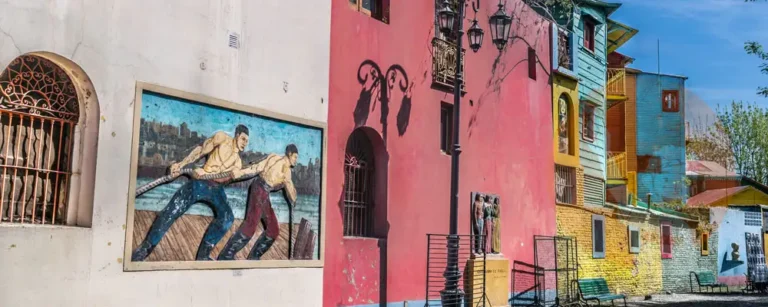
Plaza Bomberos Voluntarios: A Historic Spot to Discover in La Boca
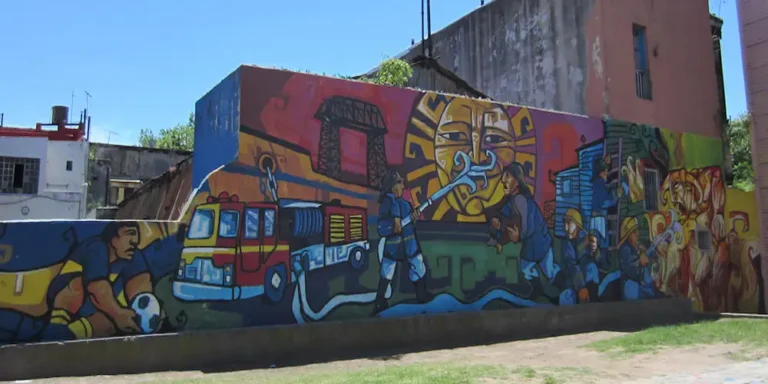
Between colorful conventillos, historic streets and urban art, La Boca still hides charming corners waiting to be discovered. One of them is Plaza Bomberos Voluntarios de La Boca.
This square reflects the historic and community identity of one of Buenos Aires’ most iconic neighborhoods.
In addition, the plaza offers a quieter and more authentic side of La Boca. As a result, visitors can enjoy the neighborhood away from the traditional tourist routes.
MARCO: The Contemporary Art Museum You Have to Visit in La Boca
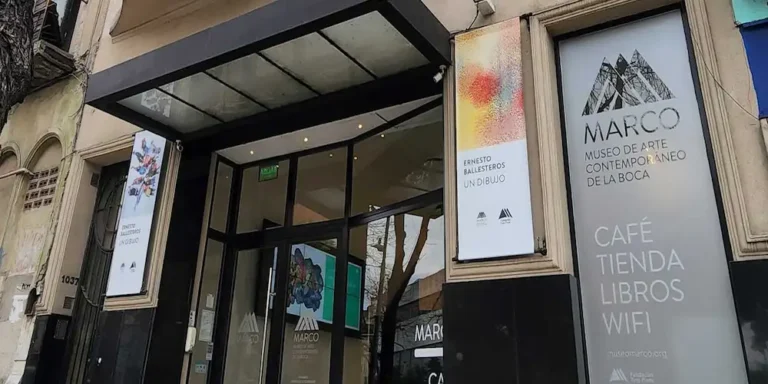
When people think about La Boca, colorful houses, tango dancers and historic streets usually come to mind. However, this iconic Buenos Aires neighborhood also has a modern and cultural side that continues to attract more visitors every year. In this context, MARCO Museo de Arte Contemporáneo de La Boca has become one of the most interesting places for travelers looking to discover a different side of the city.
In addition to its artistic focus, the museum offers a unique experience within La Boca’s traditional tourist circuit. Therefore, if you have already visited Caminito or La Bombonera, MARCO is an excellent option to continue exploring the neighborhood.
Where is MARCO located?
The museum is located in the heart of La Boca, very close to some of the neighborhood’s most important cultural attractions. Thanks to its convenient location, it can easily be included in a walking tour around the area.
Moreover, its proximity to iconic landmarks allows visitors to combine contemporary art, gastronomy and local history in a single outing.
If you want to discover more about this colorful and historic Buenos Aires neighborhood, we also recommend joining our Free Tour through La Boca.
Opening Hours
Museum and Shop: Thursday to Sunday, from 10 AM to 6 PM. Café: Thursday to Sunday, from 10 AM to 6 PM.
What can you see at MARCO?
Unlike more traditional museums, MARCO focuses on contemporary art and temporary exhibitions. As a result, every visit can feel completely different from the previous one.
Its exhibitions often include:
MARCO contemporary art museum
artistic installations,
contemporary photography,
experimental works,
creations by Argentine and Latin American artists,
audiovisual and immersive experiences.
In addition, many exhibitions encourage interaction with the space itself, creating a more dynamic and modern museum experience.
A building that is also part of the experience
One of MARCO’s most striking features is its architecture. Although La Boca still preserves much of its historic port identity, the museum introduces a contemporary aesthetic that contrasts with the neighborhood while still blending naturally into it.
For that reason, even visitors who are not particularly interested in museums often enjoy exploring the building and its interior spaces.
Furthermore, the museum is especially attractive for people interested in urban photography and modern architecture.
Is MARCO worth visiting?
Definitely yes, especially for travelers looking for different cultural experiences in Buenos Aires.
While many tourists focus only on Caminito, MARCO offers a quieter and more modern alternative within La Boca. At the same time, it reveals an artistic side of the neighborhood that often goes unnoticed.
Additionally, because of its connection to contemporary art, the museum attracts both local and international visitors interested in new cultural expressions.
A different side of La Boca
Although La Boca is world famous for its history and colorful streets, places like MARCO show that the neighborhood continues to reinvent itself.
So, if you want to discover a different cultural experience in Buenos Aires, this contemporary art museum should definitely be on your list.
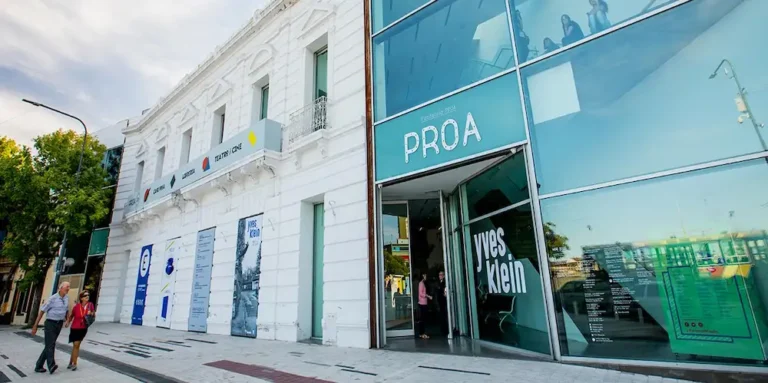
Fundación PROA: A Modern Cultural Landmark in the Heart of La Boca
When people think about La Boca, they usually imagine colorful streets, tango dancers, and football culture. However, the neighborhood is also home to one of the most important contemporary art institutions in Argentina: Fundación PROA.
Located right in front of the Riachuelo River, Fundación PROA has become a key destination for contemporary art in Buenos Aires. Moreover, thanks to its international exhibitions and modern architecture, it attracts visitors and art lovers from all over the world.
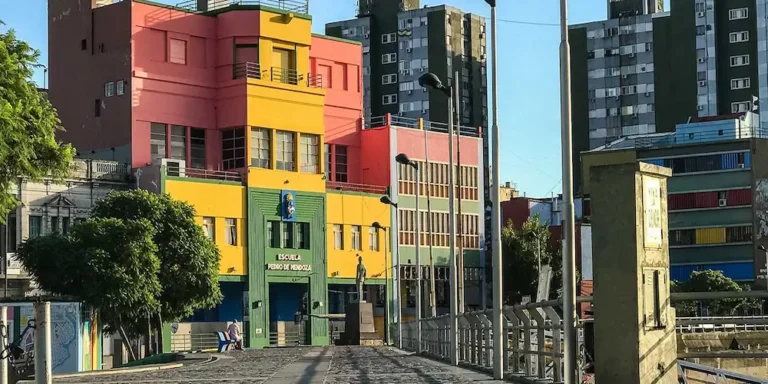
Benito Quinquela Martín Museum: Port Art and Cultural Identity in La Boca
When exploring cultural landmarks in Buenos Aires, the Museo Benito Quinquela Martín stands out as a must-visit destination. Located in the historic neighborhood of La Boca, this museum not only showcases the work of one of Argentina’s most iconic artists, but also tells the story of the city’s immigrant and working-class roots.
Moreover, its proximity to the Riachuelo and the old port area makes the experience even more authentic and meaningful.
Remember that you can join our Free Tour La Boca to better explore this historic Buenos Aires neighborhood.
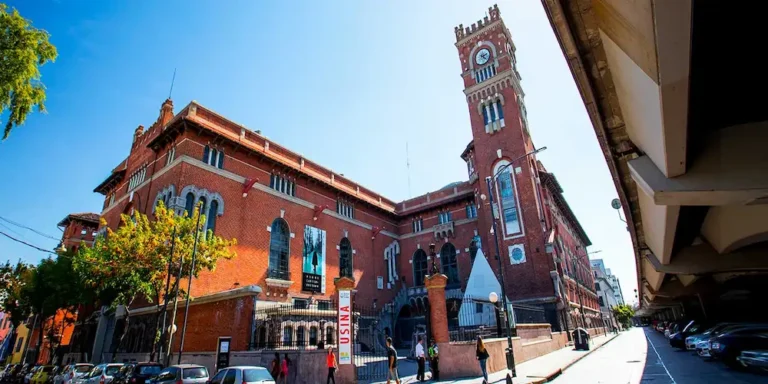
Usina del Arte: Industrial History and International Projection in the Heart of La Boca
If you are looking for things to do in the southern area of Buenos Aires, Usina del Arte stands out as one of the city’s most complete and surprising cultural attractions.
Moreover, unlike many other landmarks in the neighborhood, this space successfully combines historical heritage with a strong contemporary cultural identity. As a result, it has become an important destination for both locals and international tourists.
Caminito is the most famous pedestrian street in Buenos Aires. It is one of the most popular tourist attractions in the city due to its colorful houses and its deep historical and cultural significance.
It is located in the popular neighborhood of La Boca, on the Riachuelo River coast and only 400 meters from La Bombonera, the Boca Juniors stadium.
It is a pedestrian promenade in the form of a curve of 150 meters where important artistic works can be appreciated.
Caminito went through many stages to become the picturesque attraction that it is today.
At the beginning a stream used to flow. For this reason the street has a winding path. Then, it was crossed by the tracks of a railway that fell into disuse years later turning the place into a garbage dump known by the neighbors as “The Curve”.
Finally in 1950, thanks to the initiative of the neighbors, the place was recovered and became a pedestrian walkway and an open-air museum.
Benito Quinquela Martín, famous painter and principal benefactor of the neighborhood, painted the wooden and zinc houses in different colors. Artistic works of great importance are also exhibited as “Herrero Boquense”, “Esperando la barca” and “La Familia”, among others. All works were donated by renowned artists in order to beautify and brighten up this walk.
Caminito and the neighborhood La Boca in general used to be a center of residence for Genoese immigrants. All the wooden and zinc houses used to be traditional “conventillos”, precarious popular houses characteristic of the neighborhood since the late 19th century.
From there, thanks to the fusion of different cultures, one of the most important musical styles of the country emerged: Tango.
Caminito is a pleasant place to learn the Tango origins and admire the different artistic works that are exhibited.
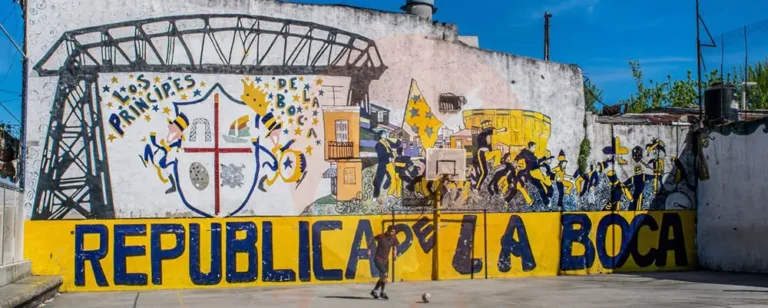
In addition, it is possible to admire hundreds of murals with deep social meanings that stand out in the walls of the neighborhood.
Full day in La Boca and Puerto Madero, a guide to everything you can do in these picturesque neighborhoods!
In addition to our Free Tours in Buenos Aires, we also have suggested itineraries. These are tours that you can do on your own. In this case, we introduce you a full day in La Boca and Puerto Madero.
Special days:
– Monday: the ecological reserve is closed, except holidays.
Important consideration: there are no ATMs in La Boca and it is not recommended to get out of the touristic area of Caminito and Boca Stadium. In order to arrive to La Boca you can take a bus (152) or a taxi. It is recommended to visit La Boca by the day, from the morning until the afternoon.
What to do in La Boca, a complete guide to everything this picturesque neighborhood has to offer you!
It is an important place in the history of the Agentina: it is the place where Tango was born and where the colorful houses create a perfect combination with the great passion of soccer.
Read this full article to knowall about this beautiful neighborhood.